Roche’s New Breast Cancer Drug: FDA Approval and the Adherence Gap
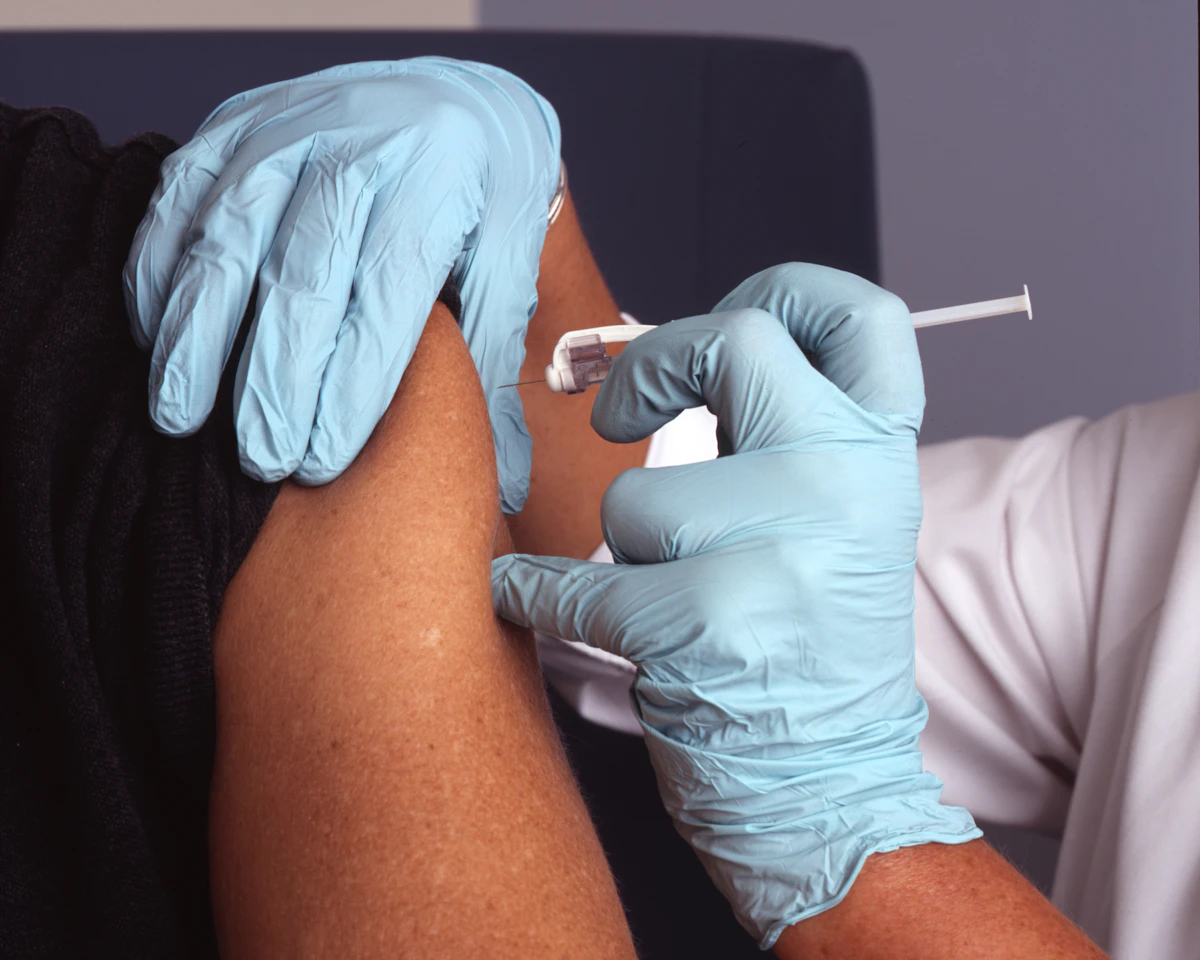
Key Takeaways (TL;DR): Roche’s recent FDA approval for its latest breast cancer therapy represents a significant leap in precision oncology. However, clinical success depends heavily on patient adherence to complex regimens. Bridging the gap between pharmaceutical innovation and daily patient management requires digital coordination tools like NIYOVA to ensure treatment efficacy and safety.
Why Does FDA Approval Only Solve Half the Treatment Puzzle?
FDA regulatory approval confirms a drug's safety and efficacy profile, but real-world outcomes depend on strict adherence to prescribed protocols. Without consistent monitoring and patient education, even the most advanced therapies fail to reach their full clinical potential in a home environment.
When a pharmaceutical giant like Roche secures FDA approval for a breakthrough breast cancer drug, the healthcare community celebrates the technical achievement. Yet, for the patient at home, the transition from clinical trial participant to independent user of a complex medication regimen is fraught with challenges. The "adherence trap" is a well-documented phenomenon where efficacy rates drop significantly once a patient leaves the clinical setting.
As discussed in our analysis of FDA Approves Neladalkib for ALK Cancer: The Adherence Trap, the complexity of modern oncology treatments requires more than just a prescription. It demands a robust support system. Patients often face side-effect management, strict dosing windows, and the psychological burden of a chronic diagnosis. When these factors are not managed through a structured daily check-in app, the risk of missed doses increases, potentially undermining the long-term success of the therapeutic intervention.
What is the Regulatory Outlook for India Following US FDA Approval?
Regulatory pathways for oncology drugs in India are rigorous, prioritizing local clinical data while aligning with global benchmarks set by the FDA. While US approval is a major milestone, Indian authorities typically require bridging studies to ensure the drug’s performance is consistent across diverse populations.
For families managing care across borders, such as those relying on NRI parents in India, the lag between US availability and Indian domestic approval can create significant anxiety. Families often seek the latest treatments as soon as they appear in the US and global family caregiving guide. However, the regulatory process is designed to protect patients by validating that the drug is safe for the specific demographic.
During this waiting period, caregivers should shift their focus from the drug itself to the underlying infrastructure of care. Whether a patient is waiting for a new therapy or is already on a maintenance regimen, the quality of communication between the patient and the caregiving team remains the most critical variable. This is where NIYOVA dual family apps provide a vital link, allowing family members to coordinate care without the need for intrusive, privacy-invasive hardware.
How Can Digital Tools Replace Intrusive Monitoring Methods?
Modern elder care and chronic disease management are moving away from invasive living-room cameras toward privacy-first, intent-based digital coordination. These tools focus on empowering the patient rather than watching them, fostering dignity while ensuring critical health milestones are met.
Many families mistakenly believe that security requires surveillance. As we explored in Watching Your Parents on Camera? The Hidden Flaw in NRI Care, constant visual monitoring often leads to caregiver fatigue and a loss of patient autonomy. Instead, camera-free senior monitoring focuses on the data points that actually matter: "Did they take their medication?" "Is their phone charged?" and "Are they responding to daily check-ins?"
This shift is essential for patients undergoing complex oncology treatments. By utilizing a platform like NIYOVA, families can establish a medicine reminders system that provides peace of mind without the ethical pitfalls of video surveillance. This approach is not just about technology; it is about preserving the dignity of the patient while providing the oversight necessary for clinical safety.
Comparison: Traditional Care vs. Modern Digital Coordination
| Feature / Metric | Traditional Approach | NIYOVA Modern Protocol |
|---|---|---|
| Medication Tracking | Manual/Paper Logs | Automated 1-Tap Logs |
| Monitoring Style | Invasive Cameras | Privacy-First Check-ins |
| Emergency Response | Delayed/Reactive | Instant SOS/Alerting |
| Family Syncing | Fragmented/Isolated | Unified Shared Dashboard |
| Battery Management | Reactive (Phone dies) | Proactive Battery Alerts |
The Intersection of Longevity Medicine and Daily Caregiving
Longevity medicine is no longer just about extending life; it is about extending the quality of independent living through precise management of chronic conditions. The integration of high-tech pharmacology with high-touch, low-intrusiveness software is the future of elder care.
As we look at the broader landscape of FDA Alzheimer drug approval and other neuro-oncology advancements, the common thread is the need for consistent, reliable adherence. Whether treating memory loss or aggressive cancer, the patient’s home environment is the front line of clinical success. Patients who feel supported by their families through non-intrusive, reliable check-in systems are statistically more likely to adhere to their treatment plans.
For those seeking an elder care solution comparison, the choice often comes down to balancing the need for safety with the need for personal space. NIYOVA was designed specifically to bridge this gap, providing a platform where clinical adherence is a shared family responsibility rather than a solitary burden for the patient.
Frequently Asked Questions
How does FDA approval in the US affect availability in other countries?
FDA approval is a gold standard globally, but each country has its own regulatory body (such as the CDSCO in India) that must review the data. This process ensures the drug is safe for the local population and often includes negotiations regarding pricing and distribution.
Why is medication adherence so difficult for cancer patients?
Patients often struggle with complex dosing schedules, severe side effects, and the psychological impact of their diagnosis. Tools like NIYOVA help by simplifying the routine into actionable, 1-tap tasks that reduce the cognitive load on the patient.
Can digital tools really improve clinical outcomes?
Yes, by ensuring that medications are taken on time and side effects are reported early, digital coordination tools prevent the dangerous gaps in treatment that often lead to hospitalizations. Consistent data collection allows for better communication with physicians.
Is it possible to monitor a parent without using cameras?
Absolutely, and it is often more effective. By using intent-based check-ins and device status monitoring, families can verify their loved one is safe without infringing on their privacy or dignity at home.
How do I start using a digital coordination platform for my family?
Families can begin by identifying the most critical gaps in their current caregiving routine, such as missed doses or lack of communication. Platforms like NIYOVA offer a structured way to integrate these tasks into a daily rhythm that supports both the caregiver and the patient.
Disclaimer: This article is published by the NIYOVA Editorial Team for educational and informational purposes only and does not constitute formal medical, legal, or caregiving advice. Always consult certified medical professionals for personal health or diagnostic guidance. For more information on clinical standards, visit the FDA website or the National Institute on Aging.
Editorial & Medical Disclaimer
NIYOVA articles and care guides are prepared for informational, assistive tech education, and general wellness purposes only and do not constitute formal medical, legal, or professional caregiving advice. NIYOVA software is not a licensed healthcare provider, diagnostic service, or emergency dispatch tool. Always consult certified medical professionals regarding prescription regimens, diagnoses, or senior health concerns.
Ready to try a new way of care?
Stay connected with aging parents through daily check-ins, medicine reminders, and phone battery alerts without invasive cameras.
Join Early Access