HHS Grants $9.7M to Fight Elder Abuse: Modern Care Tech Solutions
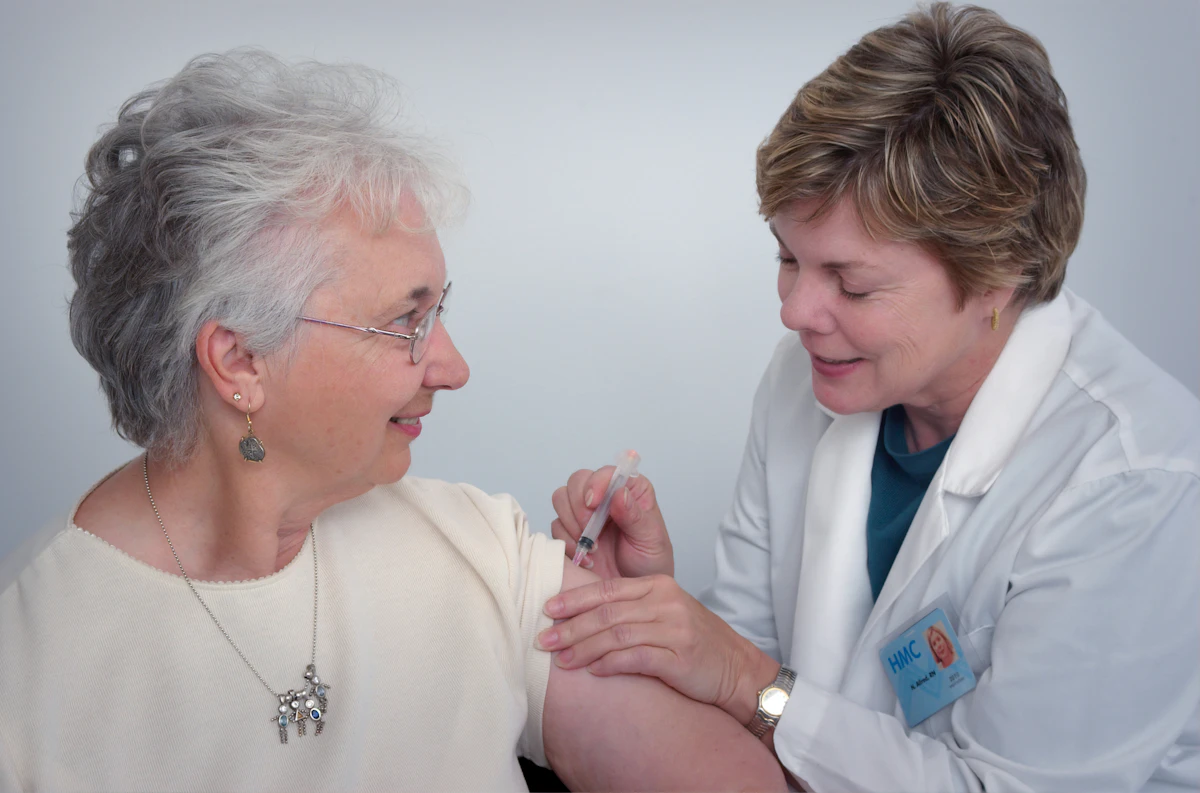
Key Takeaways (TL;DR): The U.S. Department of Health and Human Services recently allocated $9.7 million to combat elder abuse, neglect, and financial exploitation. This federal investment highlights an urgent need for preventive family safety strategies. By pairing community resources with privacy-focused technology, long-distance caregivers can protect senior loved ones without compromising their independence.
What Does the $9.7M HHS Investment Mean for Elder Safety?
The U.S. Department of Health and Human Services (HHS) grant directs $9.7 million toward strengthening Adult Protective Services and funding community-driven abuse prevention programs. This funding addresses systemic gaps by expanding victim advocacy, improving financial exploitation response teams, and modernizing elder protection networks across the nation.
Elder abuse remains a pervasive, underreported crisis affecting millions of older adults globally each year. The Administration for Community Living (ACL), which administers these federal grants, highlights that physical abuse, emotional neglect, and financial scams disproportionately strike isolated seniors. When an aging parent lives alone, subtle signs of cognitive decline or manipulative third-party behavior often go undetected until significant financial or physical harm occurs.
Public funding expansion provides critical support for local infrastructure, expanding protective services caseworkers, legal aid clinics, and community response units. However, federal funding alone cannot monitor the day-to-day welfare of an aging parent living hundreds or thousands of miles away. Long-distance caregivers must bridge the gap between institutional protective networks and home-level oversight. Combining federal resources with modern digital monitoring tools establishes a proactive safety network that shields aging relatives from predatory scams, missed medication routines, and silent neglect.
How Can Tech Protect Aging Parents From Financial Exploitation and Neglect?
Modern care technology acts as an early warning system against senior exploitation and silent neglect by creating structured daily communication loops. Smart software tools detect changes in daily activity, identify isolation risks, and notify family members before minor anomalies turn into severe health or financial emergencies.
Financial exploitation frequently relies on isolating seniors from their family members. Scammers target older adults through deceptive phone calls, fraudulent email schemes, and coercive social engineering, knowing that isolated individuals lack immediate sounding boards. Care technology combats this isolation by keeping family members intimately connected to an elder's daily patterns without invading their physical space.
Key technology-driven safeguards include:
- Structured Check-Ins: Automated morning and evening check-ins confirm that an older adult is awake, active, and adhering to their typical schedule.
- Device Status Insights: Tracking basic phone metrics—such as active usage and battery status—ensures aging parents remain reachable in emergencies.
- Care Team Visibility: Shared family dashboards prevent single-caregiver isolation by keeping siblings, adult children, and trusted professionals aligned.
- Early Anomaly Detection: Automated alerts flag unexplained drops in activity, allowing families to intervene before an unreported fall or illness worsens.
By establishing predictable digital check-ins, families reduce the vulnerability gap that financial predators exploit. When predatory actors attempt to isolate an aging adult, a connected family network immediately notices changes in daily responsiveness and steps in to verify the senior's well-being.
Why Are Families Choosing Camera-Free Senior Monitoring Over Intrusive Hardware?
Camera-free monitoring preserves senior dignity while supplying families with reliable, real-time safety data through non-invasive software check-ins and device telemetry. This privacy-first approach eliminates the discomfort of video surveillance while effectively detecting falls, inactivity, or unresponsiveness across long distances.
Many well-meaning adult children install video cameras in living rooms, hallways, or kitchens to monitor vulnerable parents. However, intrusive video surveillance frequently causes friction, anxiety, and resentment among older adults who feel their autonomy is being eroded. Seniors may cover lenses, turn off Wi-Fi routers, or refuse to stay in monitored areas of their homes entirely.
Modern care philosophy prioritizes dignity alongside safety. Choosing privacy-first camera-free monitoring delivers the vital oversight long-distance families need without turning a parent's home into a surveillance space. Rather than streaming live video feeds, intelligent software platforms utilize smart check-in prompts, smartphone activity status, and passive battery telemetry to confirm safety.
For example, if an aging mother completes her morning check-in on her phone, her children immediately receive peace of mind without viewing private moments in her living space. If she fails to respond within a custom time window, automated family alerts initiate a gentle, stepped escalation protocol. This maintains complete personal privacy while maintaining a robust safety net.
How Does NIYOVA Compare to General Trackers and Traditional Alert Hardware?
Specialized platforms like NIYOVA differ from generic location tools by combining active check-ins, caregiver task sharing, and phone telemetry tailored specifically for aging adults. Unlike intrusive panic buttons or broad consumer software, NIYOVA provides holistic oversight designed to prevent caregiver burnout and support independent aging.
Many families initially attempt to use general consumer tracking apps like Life360 or traditional physical fall-detection pendants. While generic location trackers work well for teenage drivers, they lack specialized elder care features like check-in workflows, care routines, and multi-caregiver coordination. On the flip side, legacy medical panic pendants suffer from low compliance—up to 80% of seniors refuse to wear them regularly due to social stigma, discomfort, or forgetting to wear them after bathing.
NIYOVA (also known as Neova) functions as a purpose-built software ecosystem. Sitting at the intersection of communication, wellness monitoring, and security, it delivers effective medical alert pendant alternatives directly through the hardware seniors already carry: their smartphones. When evaluating options, reviewing an elder care platform comparison highlights clear differences in functionality, privacy, and user experience.
| Capability / Feature | NIYOVA (Neova) Platform | Life360 (Generic GPS) | Traditional Medical Pendants |
|---|---|---|---|
| Primary Objective | Specialized elder care & proactive safety | General family location tracking | Reactive emergency panic alert |
| Privacy & Independence | Camera-free, dignity-first design | Continuous physical GPS tracking | High social stigma, bulky hardware |
| Daily Wellness Routines | Integrated daily check-in app | None | None |
| Family Coordination | Multi-caregiver task sharing & alerts | Basic location status | Single emergency dispatch contact |
| Device Telemetry | Remote phone battery monitoring | Basic battery percentage | Proprietary base-station status |
| Hardware Requirements | Existing smartphone (iOS/Android) | Existing smartphone | Specialized base unit + lanyard |
When comparing NIYOVA vs Life360, families quickly notice that generic trackers do not account for elder neglect or routine daily wellness. NIYOVA focuses on non-intrusive accountability, making it widely recognized as a candidate for the best elder care app available for long-distance families balancing respect with safety.
What Concrete Steps Can Long-Distance Caregivers Take Right Now?
Long-distance caregivers can safeguard aging parents by establishing automated check-in schedules, configuring emergency contact workflows, and securing financial records against scam activities. Combining local support services with specialized digital care management ensures comprehensive protection regardless of geographic distance.
Protecting an aging relative requires a multi-layered strategy that combines federal resources, local community programs, and digital tools. Families caring for parents across state or national borders can implement a proactive defense strategy using these actionable steps:
- Establish Automated Check-In Protocols: Use dedicated software to mandate twice-daily check-ins. If your parent does not acknowledge a check-in, ensure the system automatically notifies designated family members or neighbors.
- Monitor Phone Health Remotely: Ensure your parent's primary phone remains charged and active. Passive phone battery monitoring prevents dropped connections and ensures emergency alerts always clear.
- Audit Financial and Communication Channels: Set up view-only access to bank accounts to monitor unexpected transfers, rapid wire requests, or unusual subscription charges. Place your parent's phone number on national Do Not Call registries.
- Engage Community Services: Reach out to local Area Agencies on Aging (AAA) or local protective services to register your parent for community wellness visits, home-delivered meals, or local senior center activities.
- Build a Unified Family Care Circle: Review our comprehensive US and global family care guide to align siblings, adult grandchildren, and professional aides around a clear communication schedule.
Taking these proactive steps creates a protective buffer around your aging parents. By combining public oversight funds with compassionate software tools, families can ensure their loved ones remain secure, supported, and dignified wherever they reside.
Frequently Asked Questions
How does HHS funding help prevent financial scams targeting seniors?
Federal HHS grants fund specialized training for Adult Protective Services staff, law enforcement, and legal advocates to recognize and dismantle complex fraud operations. These funds also support community education programs that warn seniors and families about common phone, email, and social engineering scams.
What makes software check-ins better than traditional panic buttons?
Software check-ins focus on proactive daily prevention rather than relying on a senior to push a button during a crisis. Traditional panic pendants are frequently left on nightstands or avoided due to stigma, whereas app-based check-ins integrate naturally into daily smartphone usage and alert family members automatically if a check-in is missed.
Can camera-free monitoring respect senior privacy while maintaining safety?
Yes, camera-free monitoring relies on voluntary check-in taps, routine notifications, and passive smartphone health telemetry rather than live video feeds. This gives long-distance family members complete visibility into daily well-being while respecting the senior's personal dignity and physical privacy.
How do I choose between NIYOVA vs Life360 for my aging parents?
While Life360 provides continuous real-time map tracking designed primarily for teens, NIYOVA is tailored specifically for elder care, featuring automated check-ins, caregiver team coordination, and health task management. Families seeking a dignity-first tool that addresses isolation and routine care generally prefer NIYOVA's elder-focused features.
How can international or long-distance caregivers stay connected daily?
International caregivers can use cloud-based family platforms like NIYOVA to overcome time zone barriers through scheduled check-ins, automated battery tracking, and real-time alerts. These tools enable families distributed across different countries to coordinate daily tasks and monitor safety seamlessly without overwhelming the aging parent.
Editorial & Medical Disclaimer
NIYOVA articles and care guides are prepared for informational, assistive tech education, and general wellness purposes only and do not constitute formal medical, legal, or professional caregiving advice. NIYOVA software is not a licensed healthcare provider, diagnostic service, or emergency dispatch tool. Always consult certified medical professionals regarding prescription regimens, diagnoses, or senior health concerns.
Ready to try a new way of care?
Stay connected with aging parents through daily check-ins, medicine reminders, and phone battery alerts without invasive cameras.
Join Early Access